Free Shipping Over$200

- Products
- Marking
- Alternative

Choosing MOSFET Parts for Switching and Power Circuits
Choosing MOSFET Parts for Switching and Power Circuits
A MOSFET part number hides three jobs at once: switching loss, heat path and gate behavior under a driver that may be weaker than the schematic suggests. The schematic can make the choice look clean, but the board, enclosure and purchasing path decide whether the design keeps working after the first prototype.
A practical selection job maps the function first, keeps the physical constraint visible, and writes the orderable line so the next build does not depend on memory.
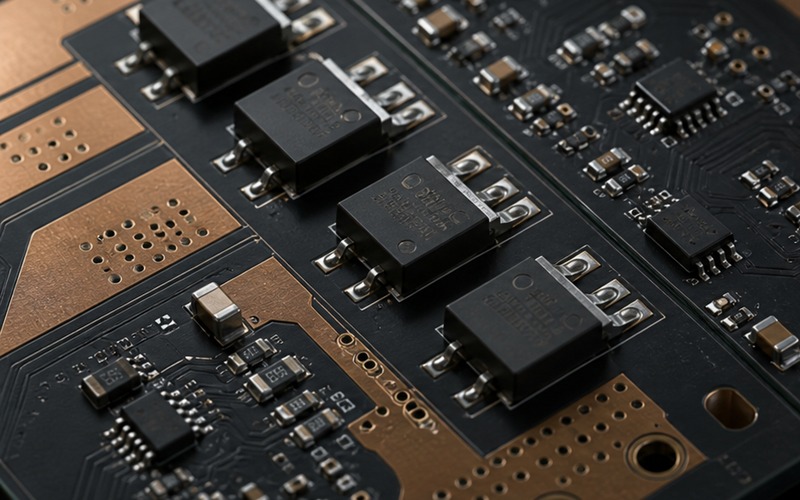
Start With the Job on the Board
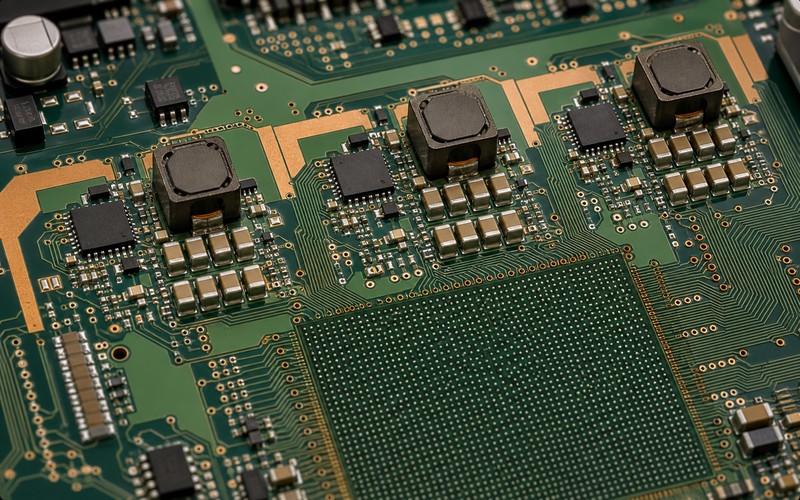
Short gate return paths, wide copper at drain and source, and a clear thermal exit matter before any single headline current rating. A useful review starts by naming the part of the system that will fail first if the wrong choice is made: heat, noise, insertion direction, firmware recovery, service access or the vendor series behind the suffix.
The related part checks below keep the discussion close to real sourcing and design review. Each item should stay focused on practical part selection, package review, rating checks, lifecycle status and approved alternatives before purchasing.
Read the Electrical Limit Before the Package
Package names are often a poor summary of behavior. A small package can be fine for a quiet signal path and wrong for a hot switch. A familiar connector can fit the drawing and fail the assembly. A reference can meet the nominal voltage and still be the source of drift if its load and bypass path are ignored.
Each candidate part should be checked against the real electrical, thermal, mechanical and sourcing conditions it will face before the board moves into production. Look for surge edge, load step, address conflict, insertion force, cable pull, clock coupling, thermal escape and the exact point where firmware can detect a fault.
Keep the Mechanical Constraint Visible
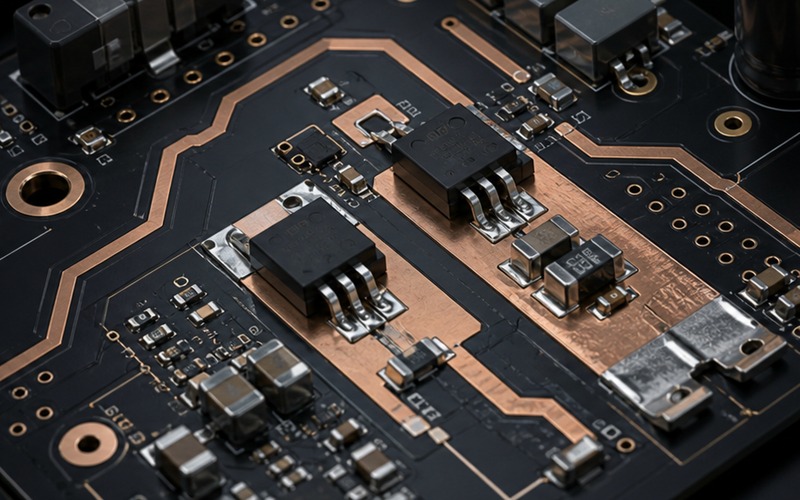
The mechanical view matters because the component is never floating in a catalog. Board edge connectors need their mouths toward the cable path. Antennas and RF feeds need clearance. Switches need actuator travel. Power parts need copper. Sensor parts need exposure to the physical quantity rather than heat from the host board.
Use the Part List as an Engineering Map
Representative parts in this selection guide include: DMG1012UW-7 as an N channel small signal MOSFET, OSP50N06T as an N channel power MOSFET, STF26NM60N as a high voltage N channel power MOSFET, STP4NK60ZFP as a high voltage N channel MOSFET, SSM3K36FS as an N channel small signal MOSFET, SSM3K56MFV as an N channel MOSFET, WNM2021-3 as an N channel MOSFET, AO3401A as a P channel MOSFET. The point is not to rank them by brand. The point is to keep the exact family, package style and circuit role visible before a purchasing line is copied.
Representative parts in this selection guide include: IRF7314TRPBF as a dual P channel MOSFET, LBSS84LT1G as a P channel small signal MOSFET, BVSS84LT1G as a P channel MOSFET, SSM3J356R as a P channel MOSFET, SI2347DS-T1-GE3 as a P channel MOSFET, SI3134KEA-TP as a power MOSFET. The point is not to rank them by brand. The point is to keep the exact family, package style and circuit role visible before a purchasing line is copied.
Check Substitution Before the Order
A substitute needs more than the same broad name. Check pinout, land pattern, height, current path, leakage, capacitance, timing, qualification suffix, temperature range, packaging option and whether the firmware or enclosure has encoded an assumption about the original part.
When the part is scarce, the buying question should be sent back to engineering with the risk attached. A pin compatible part can still move a connector latch, change an RF match, add bus capacitance, lift reference noise or shift the thermal path.
Review the Installed Failure Path
The last check should follow the part through the assembled product. A network connector fails through cable strain, surge exposure or recovery logic. A switch fails through access, actuation force and contact rating. A MOSFET fails through heat, gate drive and transient energy. Passive and timing parts fail when their tolerances, temperature range or board placement are treated as afterthoughts.
That review belongs beside the schematic, layout and enclosure drawing. Check the mating direction, service clearance, copper path, thermal escape route, reference noise, bus loading and reset behavior before approving a substitute. The right choice is the part that still works after the board is built, handled, serviced and exposed to the field conditions the product will actually see.
Keep the Orderable Part Specific
An orderable line should be checked at suffix level. Package code, temperature grade, packing method, qualification mark and vendor series all change how a part lands in purchasing and production. A broad family name can guide the search, but the approved line needs the exact variant that matches the footprint, rating and assembly route.
When a second source is proposed, compare the drawing, pinout, height, recommended land pattern, electrical limits and qualification path against the original assumption. If one of those items changes, send the question back to engineering with the risk named clearly. That keeps component selection useful to design, purchasing and long-life maintenance without promising live price or availability.