Free Shipping Over$200

- Products
- Marking
- Alternative

STM32H743VIH6 Running a Vision Model on a High Clock MCU
STM32H743VIH6 Running a Vision Model on a High Clock MCU
STM32H743VIH6 Running a Vision Model on a High Clock MCU is a hardware choice with consequences beyond the headline function. The useful review starts with the signal or workload, follows the power and data paths, then checks whether the board can be assembled, tested and repaired without hidden assumptions.
The selected path has to match the product rather than the demo bench. For STM32H743VIH6, that means checking where the device sits, which neighboring parts support it, what the firmware expects, and which measurements prove that the decision still holds after the enclosure and cable paths are added.
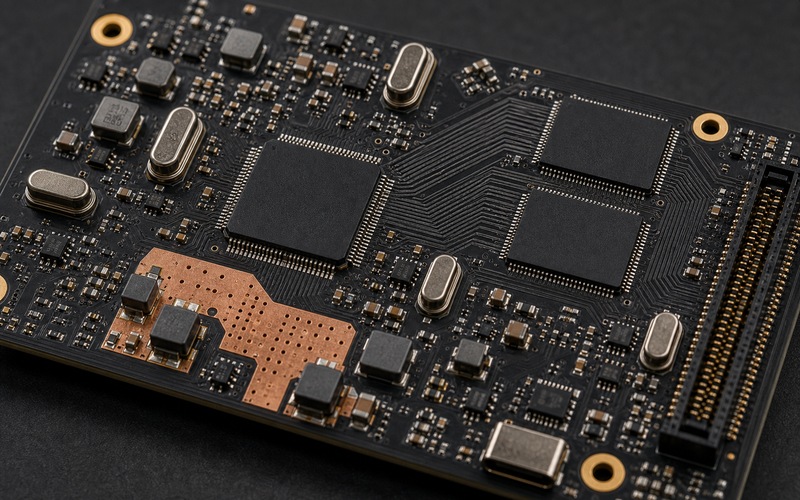
Define the Job Before Comparing Parts
The first question is what job STM32H743VIH6 performs on the board. A device may classify a sensor signal, condition an analog path, protect a cable, share a bus, or complete a measurement chain. Each job changes the surrounding circuit and the evidence needed for approval.
Write down the input source, operating rhythm, recovery path and owner of the result. A part that looks similar in a catalog can behave very differently when it has to wake from sleep, share a bus, survive a cable event or return a result before the host times out.
That job statement should be short enough to use during purchasing review. If the statement cannot name the rail, interface, package, timing or measurement path that matters, the design has not yet reached a useful substitute boundary.
Follow the Signal and Power Paths Together
STM32H743VIH6 Running a Vision Model on a High Clock MCU should be reviewed as a path, not as a loose device. The path includes the source of the signal, local filtering or buffering, the host interface, power conversion, reset behavior, and any memory or calibration data that keeps the result meaningful.
Power review needs more than an average number. Peak current, startup sequence, rail noise, return current and sleep recovery can all decide whether the product behaves in the field. A quiet bench supply can hide a problem that appears when the battery, cable or enclosure is added.
Signal review has the same shape. A sensor line may need shielding, filtering or level translation. A processor or accelerator may need local memory and a predictable host link. A connector may need a real mating direction and strain relief. The article should make those physical constraints visible.
Software and Calibration Are Part of the Component Choice
The firmware path belongs in the selection file. Driver ownership, model conversion, address assignment, calibration storage, diagnostic logging and error recovery can change the practical value of a part. Hardware that cannot be rebuilt or diagnosed becomes expensive to support.
Use the intended firmware build during validation when possible. A sample project confirms that a device can run; it does not prove that the product model, sensor timing, interrupt priority and update method are stable. Keep the tool version and configuration with the approval notes.
Calibration deserves its own line. Some parts ship with factory trim, some need board-level compensation, and some drift with package stress or contamination. The design should state where calibration data lives and how the system detects a reading that no longer deserves trust.
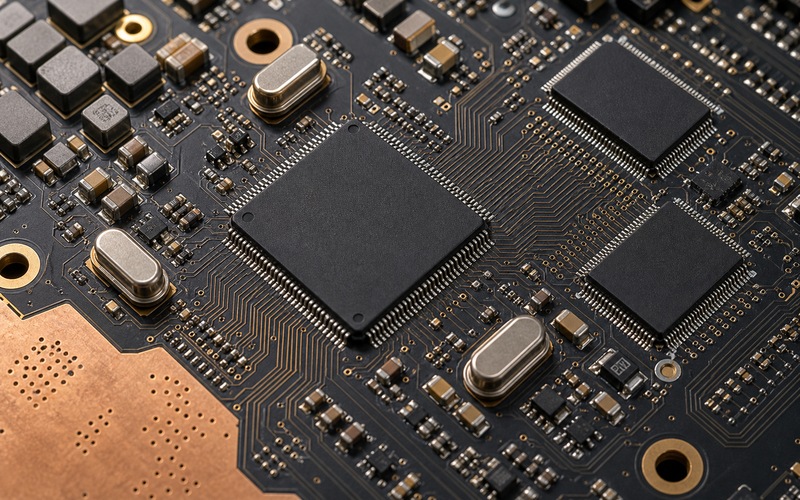
Layout and Assembly Checks
Good layout makes the later fault easy to find. Keep high-current loops short, give fast signals a clear return path, protect sensitive analog nodes from heat and switching noise, and leave measurement access for the line most likely to fail after the enclosure is closed.
Mechanical direction matters. Board-edge connectors, cable mouths, antennas, ports and pressure openings should face the real product path. An attractive drawing that points a plug into the middle of the board teaches the wrong assembly model and should be rejected before use.
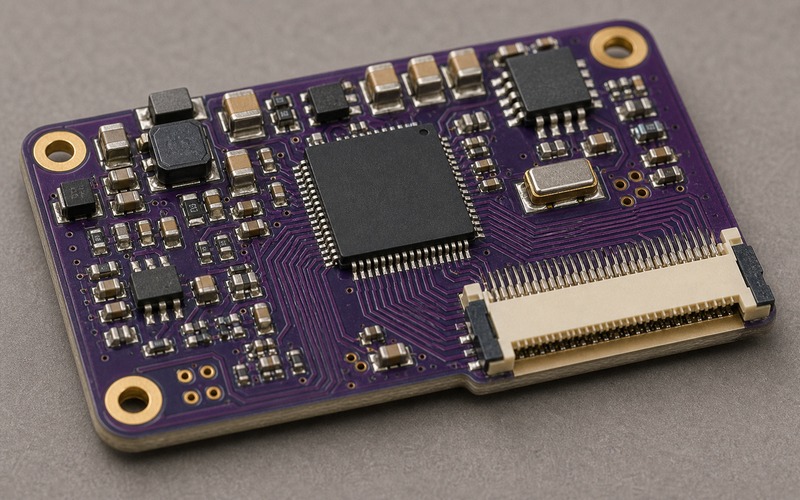
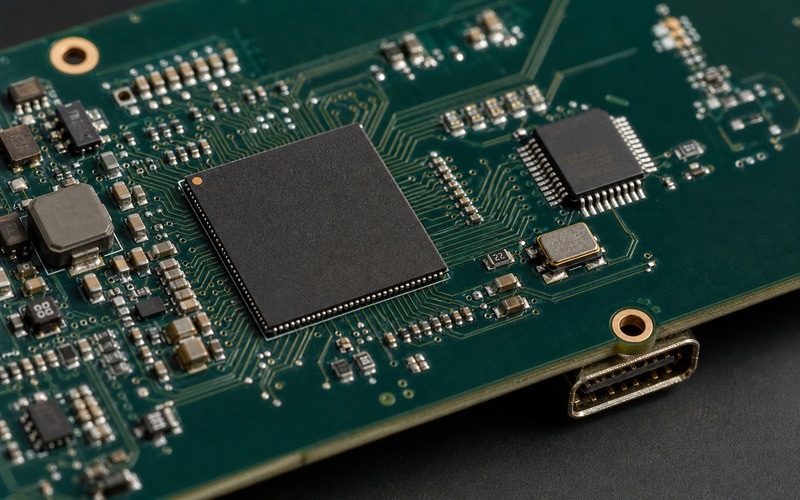
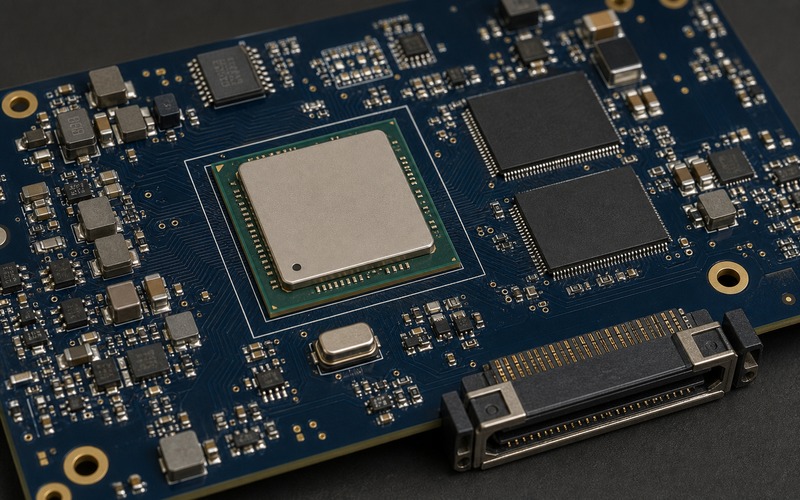
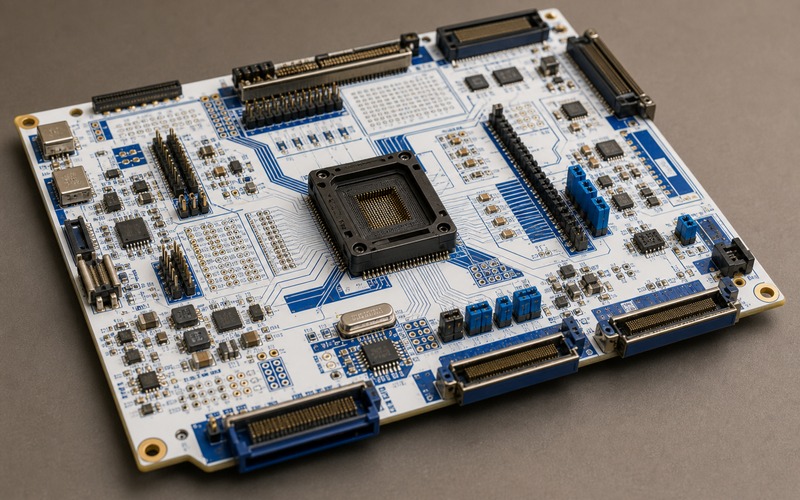
Images used with the article should follow the same rule. The cover can show the wider board zone, while the inline image should show the relevant support circuit or mounting condition. Reusing the same crop makes the page look unfinished even when the files pass a size check.
Replacement Review
A replacement for STM32H743VIH6 should be compared by behavior. Pinout, package height, leakage, capacitance, bus timing, reset state, thermal path, actuator force, noise and software support can matter more than the broad product family name.
The purchasing note should preserve the exact approved ordering string and the traits that cannot change without engineering review. It should avoid temporary commercial claims and keep the fixed design reason separate from the later buying action.
When a second option is proposed, test it under the same conditions that approved the first one. Use the same input, firmware build, rail range, cable path and thermal assumption. A simplified demo can hide the difference that matters in the final product.
Evidence to Keep With the Design
The strongest record is practical: where the part sits, why it belongs there, which conditions were measured, and how a future substitute will be checked. That record helps engineering, procurement and service read the same decision without guessing.
Keep evidence for the fault path as well as the normal path. If the part can pull a rail down, expose the load-side node. If it can lock a bus, expose the bus lines. If it can heat a sensor area, leave a way to read the package or copper temperature.
Review the complete product context before freezing the choice. Cable bend, airflow, lens position, pressure opening, shield can, adhesive, fixture access and service process can all change the best part. A board that passes electrically but cannot be serviced is still unfinished.
Final Engineering Checklist
Before the design record is accepted, confirm the title part or group, the exact role on the board, both image references, the expected direct links, and the measurement path. Then scan the wording for unsupported performance numbers or broad promotional claims that are not tied to the circuit.
The finished article should read like a quiet engineering note. It should name the boundary, explain the check and leave a clean path for substitution review. That is more useful to a buyer or engineer than a long list of generic advantages.
Bench Evidence Worth Keeping
The bench record should include the exact condition that made the selected part acceptable. Record the input rate, rail voltage, firmware build, cable length, enclosure state, thermal setup and the measurement instrument used for the decision. This prevents a later design change from looking harmless while removing the condition that made the approval valid.
For STM32H743VIH6, keep a trace of normal operation and a trace of recovery. Normal operation shows whether the signal, computation or protection path meets the product need. Recovery shows whether the product returns to a known state after reset, bus conflict, power dip, sensor fault or host timeout.
Service review also belongs here. A board may meet the schematic and still become hard to repair if the probe point is hidden, the cable cannot be released, the heat path depends on an adhesive change, or the replacement part changes a package height. The selection note should make those practical limits visible before the design is copied.
How to Read a Proposed Equivalent
When another option is proposed, start from the used behavior rather than the catalog heading. Compare the voltage range, pin roles, package footprint, reset state, timing limits, noise contribution, thermal path, calibration method and firmware support. Mark which items were tested and which items need another engineering review.
A useful equivalent note separates the engineering reason from the purchasing action. The engineering reason says why the component belongs in the circuit. The purchasing action says which suffix, qualification mark, packaging form and quantity need checking through the normal buying process. Keeping these two jobs separate makes later updates safer.
The final article should leave the reader with a practical decision path. It should show why the part or group matters, where it sits, what can fail, and which details must be preserved when a substitute is considered. That is the information an engineer or buyer can use without relying on memory.
Manufacturing Review Before the Part Is Frozen
Manufacturing review should read the same decision from a different angle. The engineer may care about accuracy, inference time, contact resistance or surge tolerance, while the factory sees paste aperture, rework access, cable insertion direction, fixture clearance and inspection visibility. A part that wins electrically can still create a production problem if the package is hard to inspect or the mating direction is hidden by the enclosure.
Record the assembly assumptions beside the electrical assumptions. Note whether the component is hand-reworkable, whether the thermal pad needs a controlled void target, whether the connector latch can be reached, whether a pressure port needs a gasket, whether an antenna keepout is protected, and whether the fixture can touch the needed test pads. These details rarely appear in a short part description, but they decide whether the design can be built repeatedly.
Inspection should include the two states that often get skipped: the first powered board and the board after it has been handled. ESD exposure, cable strain, flux residue, adhesive squeeze-out, screw torque and heat-spreader pressure can change the behavior of sensors, high-speed links and low-level analog paths. The selection note should identify which of those conditions would require another check.
System Faults to Anticipate
Every component choice should name the fault it is trying to avoid and the fault it might create. A protection part may save an input while adding capacitance. A faster processor may shorten inference time while increasing heat. A small sensor may fit the enclosure while becoming sensitive to stress. A connector may simplify assembly while moving strain into the solder joints. Naming the tradeoff keeps the review honest.
For a digital path, watch boot timing, bus contention, missed interrupts, firmware rollback and unexpected reset states. For an analog or sensor path, watch source impedance, noise pickup, drift, contamination and local heating. For a mechanical or cabled path, watch insertion force, pull direction, latch damage and service access. The article should point the reader toward these likely checks rather than treating the part as a stand-alone item.
A useful test plan pairs each likely fault with an observation method. If the fault is a rail dip, leave a probe point and a trigger condition. If the fault is a locked bus, keep the bus lines reachable and log the recovery code. If the fault is thermal drift, measure the package or nearby copper after the enclosure is closed. If the fault is wrong mating direction, verify it with the real cable and housing instead of a bare board photo.
What Makes the Article Useful Later
The finished article should remain valuable after the first design review. It should let a buyer understand why the part number cannot be replaced casually, and it should let an engineer see which checks must be repeated if a substitute appears. The article does not need to rank vendors or claim a universal best choice. It needs to preserve the local design reasoning.
Keep the wording specific without pretending to know changing business conditions. Stable facts include package family, interface type, placement rule, calibration need, firmware dependency and the behavior being protected. Time-sensitive details should be checked through the normal purchasing process instead of being written as fixed claims in the technical body.
As a final check, keep the selection review tied to decisions that affect the board and the purchasing record. Each candidate should be checked for package fit, power budget, thermal path, software support, lifecycle status and acceptable alternatives before the design moves toward purchasing or production.