 Free Shipping Over$200

- Products
- Marking
- Alternative

0251.062NRT1L LITTELFUSE Fuse: Applications, Selection Guide, Alternatives and Buying Notes
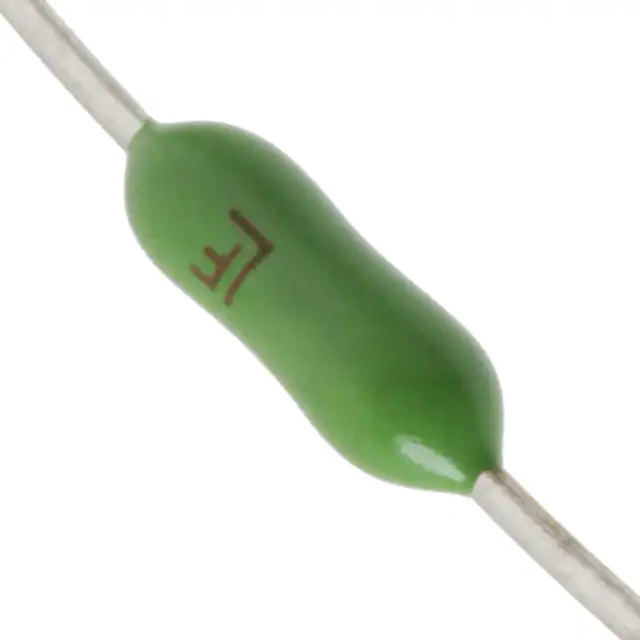
- Part No.:
- 0251.062NRT1L
- Manufacturer:
- Littelfuse Inc.
- Package:
- Description:
- FUSE BRD MNT 62MA 125VAC/VDC AXL
- Payment:

- Shipping:

Inventory:10,780
Send us your inquiry,we will respond immediately.
Article Details
0251.062NRT1L LITTELFUSE Fuse: Applications, Selection Guide, Alternatives and Buying Notes
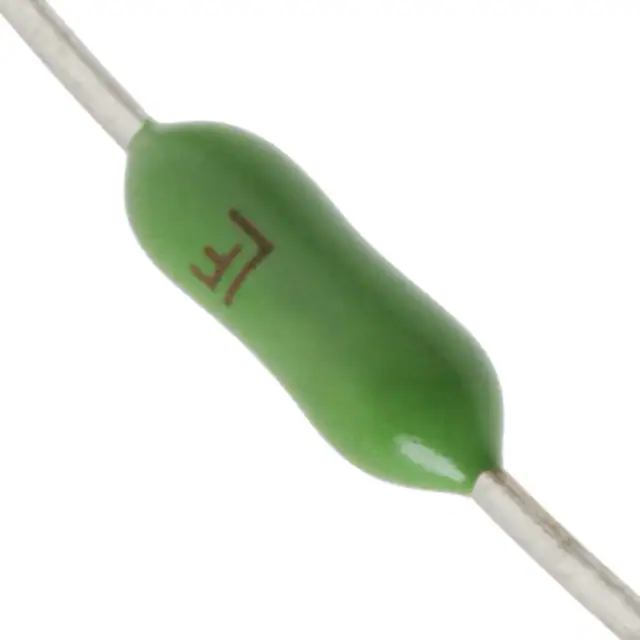
0251.062NRT1L LITTELFUSE fuse is a board-level circuit protection part from the PICO II 251 family. It is specified as a 62 mA, 125 V AC / 125 V DC, fast blow fuse in a Axial package. The part is used to open a fault path before downstream traces, ICs, connectors or supply branches are damaged by abnormal current. View the 0251.062NRT1L product detail page or contact In-Fortune for sourcing support.
What is 0251.062NRT1L?
0251.062NRT1L is a Littelfuse board-mount fuse, not a semiconductor switch or resettable PTC. Its job is simple but critical: conduct normal current with acceptable voltage drop, then open the circuit when current and time exceed the fuse element's calibrated limits. That means the part must be selected from the real fault profile of the circuit, not only by the nominal load current printed on a power rail.
The PICO II 251 family positioning matters. A very fast-acting axial board mount fuse has a different mounting method, service behavior and thermal environment from a larger cartridge fuse, an automotive blade fuse or a resettable polymer device. Treat the suffix and package as part of the approved part number.
How 0251.062NRT1L is used
Typical circuit placement
In a PCB design, 0251.062NRT1L is usually placed in series with the branch it protects. Common locations include the input of a low-power module, the output of a small converter, a sensor or communication branch, a protected auxiliary rail, or a line that leaves the board through a connector. The fuse should be placed so the protected trace length is short and so fault current cannot bypass the protection point through another path.
For normal operation, the engineer checks the continuous current, startup or inrush pulse, ambient temperature, expected derating, voltage drop from cold resistance and the upstream source's available fault current. For a real fault, the fuse must open within the safety target while staying inside its rated voltage and breaking-capacity limits. The fuse also needs enough spacing, solder quality and thermal clearance so it behaves like the datasheet part rather than a heat-sunk or overheated variant.
Package and assembly checks
0251.062NRT1L uses through hole mounting in a Axial package. That means the PCB footprint, solder process and mechanical keep-out are part of the electrical decision. A substitute with the same current rating but a different footprint can create an assembly defect, a repair problem or a different thermal trip profile.
Key specifications for 0251.062NRT1L
| Parameter | 0251.062NRT1L value or review note |
|---|---|
| Manufacturer | LITTELFUSE / Littelfuse Inc. |
| Category | Circuit protection fuse |
| Series | PICO II 251 |
| Canonical manufacturer number | 0251.062NRT1L |
| Fuse type | very fast-acting axial board mount fuse |
| Current rating | 62 mA |
| Voltage rating | 125 V AC / 125 V DC |
| Response time | Fast Blow |
| Mounting type | Through hole |
| Package / case | Axial |
| Breaking capacity | 50 A AC, 300 A DC |
| Melting I2t | 1.13E-4 A2s |
| Approval agency | CSA, cURus |
| Operating temperature | -55 to +125 degC |
| Size / dimension | 0.110" diameter x 0.280" L (2.80 mm x 7.11 mm) |
| DC cold resistance | 7 ohms |
| Packaging note | Tape and reel and cut tape options shown by distributor data |
| Lifecycle note | Active on the checked distributor parameter page; final lifecycle to be confirmed with supplier |
| Datasheet / drawing | Confirm latest Littelfuse datasheet and suffix drawing before PCB release |
0251.062NRT1L selection guide
Select 0251.062NRT1L when the design needs low-current through-hole protection where the designer needs a 62 mA fast-acting axial fuse in the PICO II 251 size class. The 62 mA rating should sit above the verified continuous operating current with derating margin, but below the level where the protected load, connector or PCB trace would be damaged. The fast blow behavior should match the load profile. A fast-blow fuse is often better for sensitive secondary circuits with limited inrush; a slow-blow fuse is often used where startup energy is expected and acceptable.
Do not select 0251.062NRT1L for ampere-level rails, service-replaceable surface mount holder assemblies, or circuits with startup pulses that need slow-blow behavior. If a fuse opens during normal startup, the answer is not simply to raise the current rating. First check inrush waveform, ambient temperature, hold time, upstream supply current limit and whether a time-delay family is more appropriate. If the circuit has a regulated safety requirement, compare the approval agency list and customer qualification file before freezing the BOM.
For released products, the safest selection check is to compare the actual schematic node, PCB footprint, load waveform and qualified supplier list against the complete manufacturer part number. A shorter model string or an omitted suffix can point to a package variant that looks close in search results but is not approved for the board.
Alternatives and cross references for 0251.062NRT1L
0251.062NRT1L alternatives should be reviewed as engineering candidates. Before approving a replacement, compare the datasheet, response curve, current rating, voltage rating, breaking capacity, melting I2t, cold resistance, package outline, PCB footprint, mounting process, operating temperature, approval agencies, lifecycle and customer compliance requirements.
| Alternative or related part | Main difference | Replacement risk |
|---|---|---|
| 0251001NRT1L | Same axial 251 family but 1 A rating | Higher current rating may fail to protect a low-current branch. |
| 0154.062DR | Same 62 mA class with 154 surface mount holder | PCB footprint and service method differ. |
| 0251.062MRT1L | Close 251 suffix candidate | Packaging suffix and agency approvals must be checked. |
| 0451.062MRL | Surface mount NANO2 candidate in 62 mA class | Package, land pattern and thermal profile differ. |
When the alternative is another Littelfuse suffix, the main risk is often package, packaging format, termination finish or agency coverage. When the alternative is from another fuse family, the risk expands to time-current behavior, thermal coupling, board layout and qualification evidence. Contact In-Fortune to confirm 0251.062NRT1L specifications before changing a released BOM.
Buying notes and sourcing checks
Before sending an RFQ for 0251.062NRT1L, confirm the complete manufacturer part number, LITTELFUSE brand, canonical suffix spelling, package style, reel or cut format, date-code requirement, batch consistency, original factory condition, compliance documentation and acceptable substitute range. For production support, include the circuit role, operating current, maximum fault source, approval requirements and whether engineering can accept a suffix or family change.
Do not approve a substitute only because the current rating is close. Check whether the design needs fast-blow or slow-blow behavior, whether the package matches the PCB, whether the fuse holder or axial lead geometry is unchanged, and whether agency approvals satisfy the end equipment. 0251.062NRT1L product detail page. Request sourcing support for 0251.062NRT1L. Send an RFQ with your required quantity and delivery schedule.
0251.062NRT1L LITTELFUSE FAQ
Where can I find the 0251.062NRT1L datasheet?
Use the Littelfuse PICO II 251 datasheet or product page as the primary reference, then confirm the exact suffix and packaging documentation with the supplier.
What is the 0251.062NRT1L pinout?
A fuse does not have an IC-style pinout. For 0251.062NRT1L, the practical pinout check is package orientation, solder pad or axial lead geometry, current path, holder interface if present, and PCB land pattern.
What applications fit 0251.062NRT1L?
0251.062NRT1L fits board-level overcurrent protection where the circuit needs 62 mA, 125 V AC / 125 V DC, Fast Blow behavior and the Axial package style.
Can 0251.062NRT1L replace a fuse with the same current rating?
Only after checking response time, voltage rating, breaking capacity, I2t, resistance, package, approvals, thermal layout and lifecycle. Same current rating alone is not enough.
Can a fast-blow fuse replace a slow-blow fuse?
Usually not without a circuit review. Fast-blow and slow-blow fuses handle inrush and overload timing differently, so replacement can cause nuisance opening or delayed protection.
What should procurement confirm before sourcing 0251.062NRT1L?
Confirm the complete manufacturer number, LITTELFUSE brand, suffix, package or reel format, date-code expectation, batch consistency, original condition, compliance documents, lead time and approved substitute range.
Suggested internal links for 0251.062NRT1L
- 0251.062NRT1L product detail page
- In-Fortune exact model search for 0251.062NRT1L
- LITTELFUSE manufacturer page on In-Fortune
- In-Fortune circuit protection product catalogue
- 0251001NRT1L product detail page
- 0154.062DR product detail page
Missing or uncertain data for 0251.062NRT1L
- Latest Littelfuse PCN, lifecycle and suffix availability: to be confirmed with supplier.
- Released PCB land pattern, holder orientation, axial lead forming or solder process: to be confirmed against the final drawing.
- End-product approval packet, RoHS, REACH and customer-specific compliance records: to be confirmed with supplier.
- Approved substitute list and whether response-time changes are acceptable: to be confirmed by engineering before procurement substitution.
0251.062NRT1L Specifications
- Attributes
- Property Value
- Manufacturer
- Littelfuse Inc.
- Package/Case:
- Series:
- PICO® II 251
- Packaging:
- Tape & Reel (TR)
- Part Status:
- Active
- Mounting Style:
- Through Hole
- Fuse Type:
- Board Mount (Cartridge Style Excluded)
- Voltage Rating - AC:
- 125 V
- Voltage Rating - DC:
- 125 V
- Response Time:
- Fast Blow
- Breaking Capacity @ Rated Voltage:
- 50A AC, 300A DC
- Melting I²t:
- 1.13E-4
- Current Rating (Amps):
- 62 mA
- Approval Agency:
- CSA, cURus
- Operating Temperature:
- -55°C ~ 125°C
- Color:
- -
- Size / Dimension:
- 0.110" Dia x 0.280" L (2.80mm x 7.11mm)
The Posts
-
0473003.YRT1L LITTELFUSE Fuse: Applications, Selection Guide, Alternatives and Buying Notes
0473003.YRT1L LITTELFUSE guide for 3 A PICO II 473 slow-blow axial fuse use, 125 V ratings, alternatives and sourcing checks.

-
0451005.MR LITTELFUSE Fuse: Applications, Selection Guide, Alternatives and Buying Notes
0451005.MR LITTELFUSE fuse guide for 5 A NANO2 451 use, obsolete-status review, alternatives, replacement risk and sourcing checks.
-
0251.062NRT1L LITTELFUSE Fuse: Applications, Selection Guide, Alternatives and Buying Notes
0251.062NRT1L LITTELFUSE fuse guide for 62 mA PICO II 251 use, 125 V rating, axial PCB fit and sourcing checks.
-
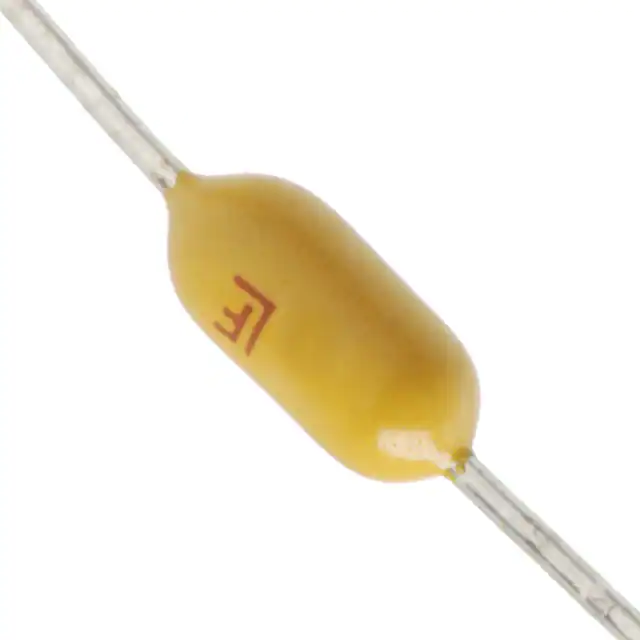
0251001.NRT1L LITTELFUSE Fuse: Applications, Selection Guide, Alternatives and Buying Notes
0251001.NRT1L LITTELFUSE guide for 1 A PICO II 251 axial fuse use, 125 V ratings, PCB fit, alternatives and sourcing checks.
-
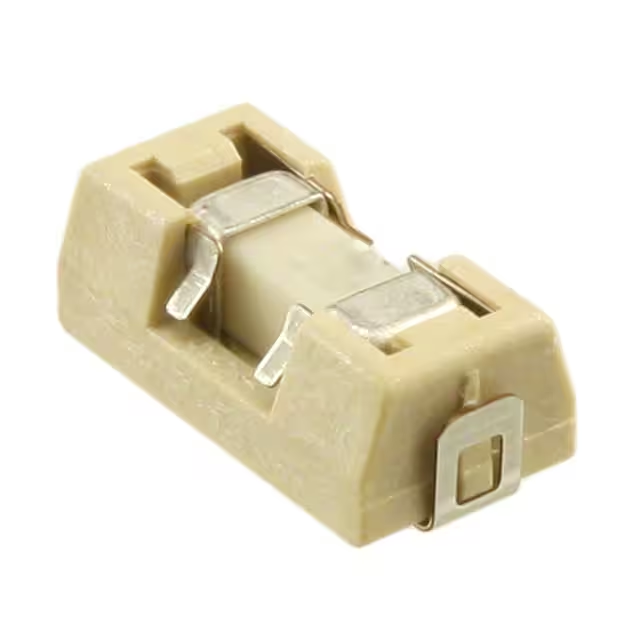
0154001.DR LITTELFUSE Fuse: Applications, Selection Guide, Alternatives and Buying Notes
0154001.DR LITTELFUSE fuse guide for 1 A OMNI-BLOK 154 use, 125 V rating, PCB footprint review, alternatives and sourcing checks.
-
0154.062DR LITTELFUSE Fuse: Applications, Selection Guide, Alternatives and Buying Notes
0154.062DR LITTELFUSE fuse guide covering 62 mA OMNI-BLOK use, 125 V ratings, PCB holder fit, alternatives and sourcing checks.
-
XH414HG-IV01E SEIKO EDLC: Applications, Selection Guide and Buying Notes
XH414HG-IV01E SEIKO EDLC guide for 3.3V RTC backup, IV01E pinout and terminal checks, alternatives, replacement risk and sourcing review for buyers before RFQ.
-
XH414HG-II06E SEIKO EDLC: Applications, Selection Guide and Buying Notes
XH414HG-II06E SEIKO EDLC guide covering RTC backup use, 3.3V charging, opposite-side pinout and terminals, alternatives, replacement risk and sourcing checks.


