 Free Shipping Over$200

- Products
- Marking
- Alternative

Analog Devices Inc./Maxim Integrated MAX6816EUS+T
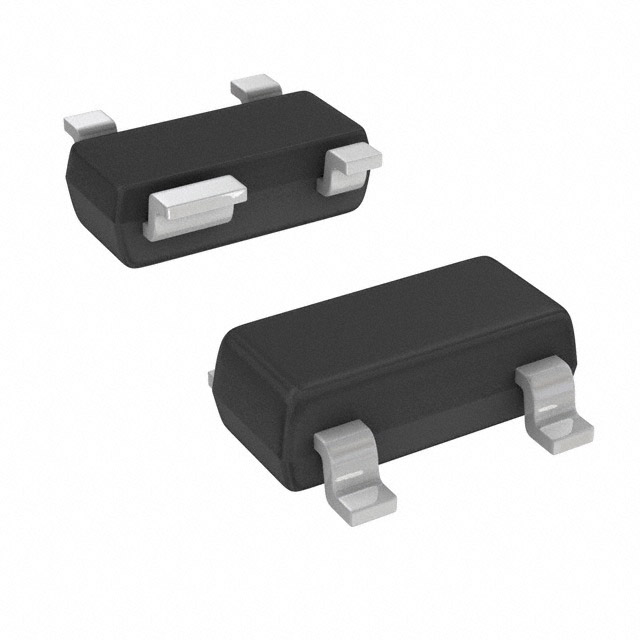
- Part No.:
- MAX6816EUS+T
- Manufacturer:
- Analog Devices Inc./Maxim Integrated
- Category:
- Specialized ICs
- Package:
- TO-253-4, TO-253AA
- Datasheet:
-
 MAX6816EUS+T.pdf
- Description:
- IC SWITCH DEBOUNCER SOT143-4
- Quantity:
Unit Price:$0.000000
Ext Price:$0.000000
- Payment:

- Shipping:

Inventory:13,372
Send us your inquiry,we will respond immediately.
In Stock : 13,372 PCS
| Qty. | Unit Price | Ext Price |
| 0+ | $0.000000 | $0.000000 |
*Products eligible for online ordering ship within 1-2 business days,please contact us for exact shipping times.
Also you can RFQ for MAX6816EUS+T or email to us: Email: [email protected] , we will contact you within 12 hours.
Product Details
MAX6816EUS+T - Maxim MAX6816 ±15 kV ESD-Protected Single Switch Debouncer, 6 µA, ±25 V Inputs, 4-Pin SOT143 | MAX6816
MAX6816EUS+T is the lead-free, tape-and-reel 4-pin SOT143 version of Maxim's MAX6816, a single CMOS switch debouncer that cleans up the noisy, bouncing signal from a mechanical switch and presents a single, clean logic transition to a processor. It handles input levels to ±25 V and is protected to ±15 kV (Human Body Model), so the switch line can run off-board, and it needs no external components - the debounce timing is internal. Drawing just 6 µA from a +2.7 V to +5.5 V supply in a tiny SOT143, it suits µP switch interfacing, industrial and PC-based instruments, portable instruments and membrane keyboards.
Product Introduction
The MAX6816/MAX6817/MAX6818 from Maxim Integrated (now part of Analog Devices) are switch debouncers that solve a small but persistent problem: a mechanical switch or relay does not make a clean contact - it bounces, producing a burst of fast transitions that a processor reads as multiple presses. These devices interface directly to the switch and output a single, debounced logic transition. The MAX6816 is the single-switch version (the MAX6817 is dual, the MAX6818 octal); MAX6816EUS+T is the RoHS ("+"), tape-and-reel ("T") 4-pin SOT143.
The protection is what lets the switch wire run anywhere. The input withstands voltages to ±25 V - beyond the supply rails - and is ESD-protected to ±15 kV Human Body Model (and ±8 kV contact / ±15 kV air per IEC 1000-4-2), so a panel switch on a long cable cannot damage the input. An internal pull-up means the switch simply connects the input to ground, and the debouncer takes care of the rest.
It is built to disappear into the design. There are no external components - no RC network to size, no firmware debounce routine to write - because the debounce period is generated internally. The supply current is a tiny 6 µA, so the part sits permanently on a battery rail, and it runs from +2.7 V to +5.5 V over the extended -40 °C to +125 °C range in the four-pin SOT143, one of the smallest packages available.
Expert Technical Insight
Where does a dedicated debouncer beat an RC or firmware?
- It removes the RC guesswork and the firmware load: an RC debounce slows the edge (and still needs a Schmitt input); a firmware debounce ties up the processor and adds latency. The MAX6816 gives a clean, fast logic edge with zero external parts and no CPU cycles - worth it when pin count or code simplicity matters.
- Exploit the ±25 V / ±15 kV ruggedness: the input tolerates over-rail voltage and 15 kV ESD, so the switch can be a panel button on a long harness without a protection network. Wire the switch from the IN pin to ground; the internal pull-up sets the idle level.
- Mind the fixed debounce period: the timing is internal and not adjustable, so confirm it suits the switch's bounce time and the fastest press rate you must register. For more channels, step to the MAX6817 (dual) or MAX6818 (octal, with a 3-state bus interface).
Key Benefits
Turns a bouncing mechanical-switch signal into a single, clean logic transition - no multiple-press misreads.
Inputs withstand ±25 V (over-rail) and ±15 kV ESD (HBM), so the switch line can run off-board on a long cable.
The debounce timing is internal - no RC network, no firmware routine, no CPU cycles consumed.
Just 6 µA from +2.7 to +5.5 V, in a tiny 4-pin SOT143 over -40 to +125 °C.
Specifications
| Parameter | Value | Condition / Note |
|---|---|---|
| Device Type | Single CMOS Switch Debouncer | MAX6817 dual, MAX6818 octal |
| Manufacturer | Maxim Integrated (Analog Devices) | MAX6816 |
| Channels | 1 (single) | |
| Input Voltage Tolerance | ±25 V | Beyond supply rails |
| ESD Protection | ±15 kV HBM | ±8 kV contact / ±15 kV air (IEC 1000-4-2) |
| Supply Current | 6 µA | Low power |
| Supply Voltage | +2.7 V to +5.5 V | Single supply |
| External Components | None | Internal debounce timing |
| Output | CMOS debounced, internal pull-up on input | |
| Operating Temperature | -40 to +125 °C | E grade (extended) |
| Package | 4-Pin SOT143 | Outline 21-0052 |
| Orderable Part Number | MAX6816EUS+T | Pb-free, tape and reel |
Note: Values are taken from the Maxim MAX6816/MAX6817/MAX6818 datasheet. Confirm every parameter (including the internal debounce period) against the latest official documentation before committing a design.
Package Information
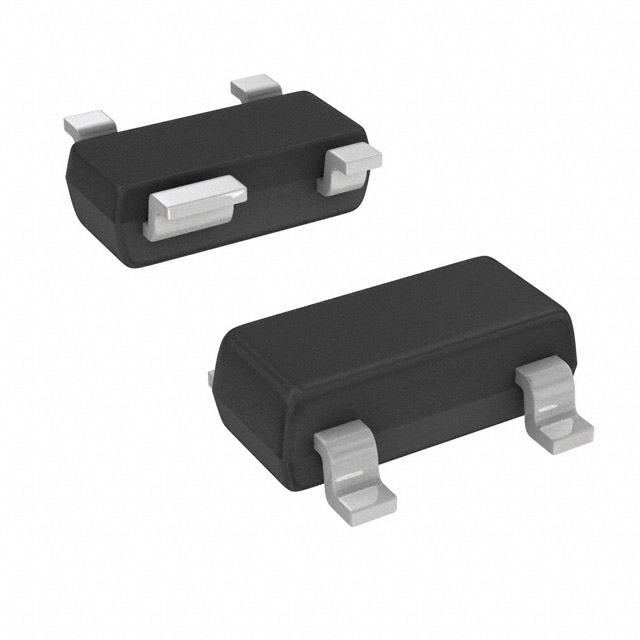
MAX6816EUS+T ships in the 4-pin SOT143 (package outline 21-0052) - one of the smallest packages available, which is the point: a debouncer with no external parts in a SOT143 takes almost no board area next to the switch or connector. With four pins (GND, IN, OUT, VCC) the layout is trivial - run IN to the switch, OUT to the logic input, and bypass VCC. The package image is shown below.
Pin and Signal Definition
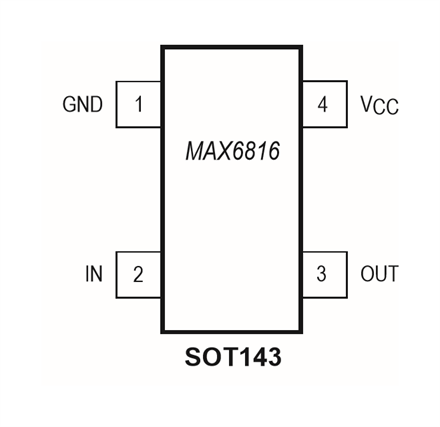
The 4-pin SOT143 carries the switch input, debounced output, supply and ground (per the MAX6816 datasheet):
- Pin 1 - GND: Ground.
- Pin 2 - IN: Switch input; connect the mechanical switch from here to ground (internal pull-up sets the idle level). Tolerates ±25 V, ±15 kV ESD.
- Pin 3 - OUT: CMOS debounced output - a single clean logic transition per switch closure.
- Pin 4 - VCC: Supply, +2.7 V to +5.5 V; bypass to GND.
Alternative and Related Parts
Within the family the MAX6817 (dual) and MAX6818 (octal) add channels. The slug-listed parts below are related Maxim µP-system peripherals (supervisors, references, supplies) that commonly share a board with a switch debouncer.
| Part Number | Brand | Type / Relation | Package | Note |
|---|---|---|---|---|
| MAX6368LKA29+T | Maxim | µP supervisor, battery backup | 8-SOT23 | System housekeeping |
| MAX6369KA+T | Maxim | Watchdog timer | 8-SOT23 | µP supervision |
| MAX604CSA+T | Maxim | 3.3 V LDO regulator | 8-SO | Logic supply |
| MAX6071BAUT33+T | Maxim | 3.3 V precision reference | 6-SOT23 | System reference |
| MAX662ACSA+T | Maxim | +12 V charge pump | 8-SO | Flash VPP supply |
Selection Tips: Choose the MAX6816 for a single rugged, zero-external-part switch debouncer in the smallest SOT143; step to the MAX6817 for two switches or the MAX6818 for eight (with a 3-state µP bus interface). The supervisors, reference and supplies above round out the processor's support circuitry.
Manufacturer Information
Maxim Integrated, now part of Analog Devices, Inc. (ADI), built the MAX6816/MAX6817/MAX6818 to take the bounce, the RC network and the firmware out of reading a mechanical switch - a rugged, ESD-protected debouncer that drops in beside the switch in a tiny package.
ADI maintains the datasheet, the debounce-timing and ESD specifications, and the switch-interface guidance for the family - the basis for a clean, reliable switch input to a processor.
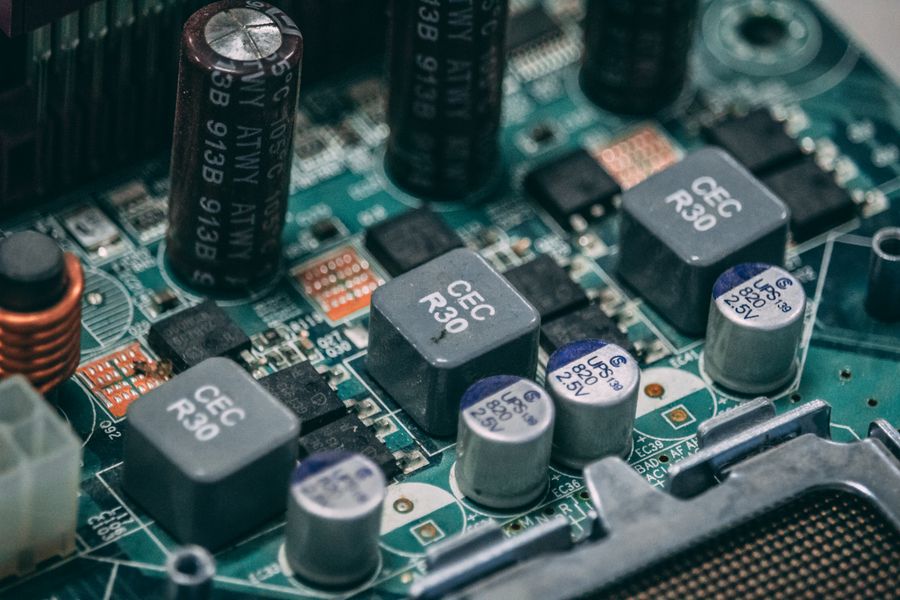
Applications


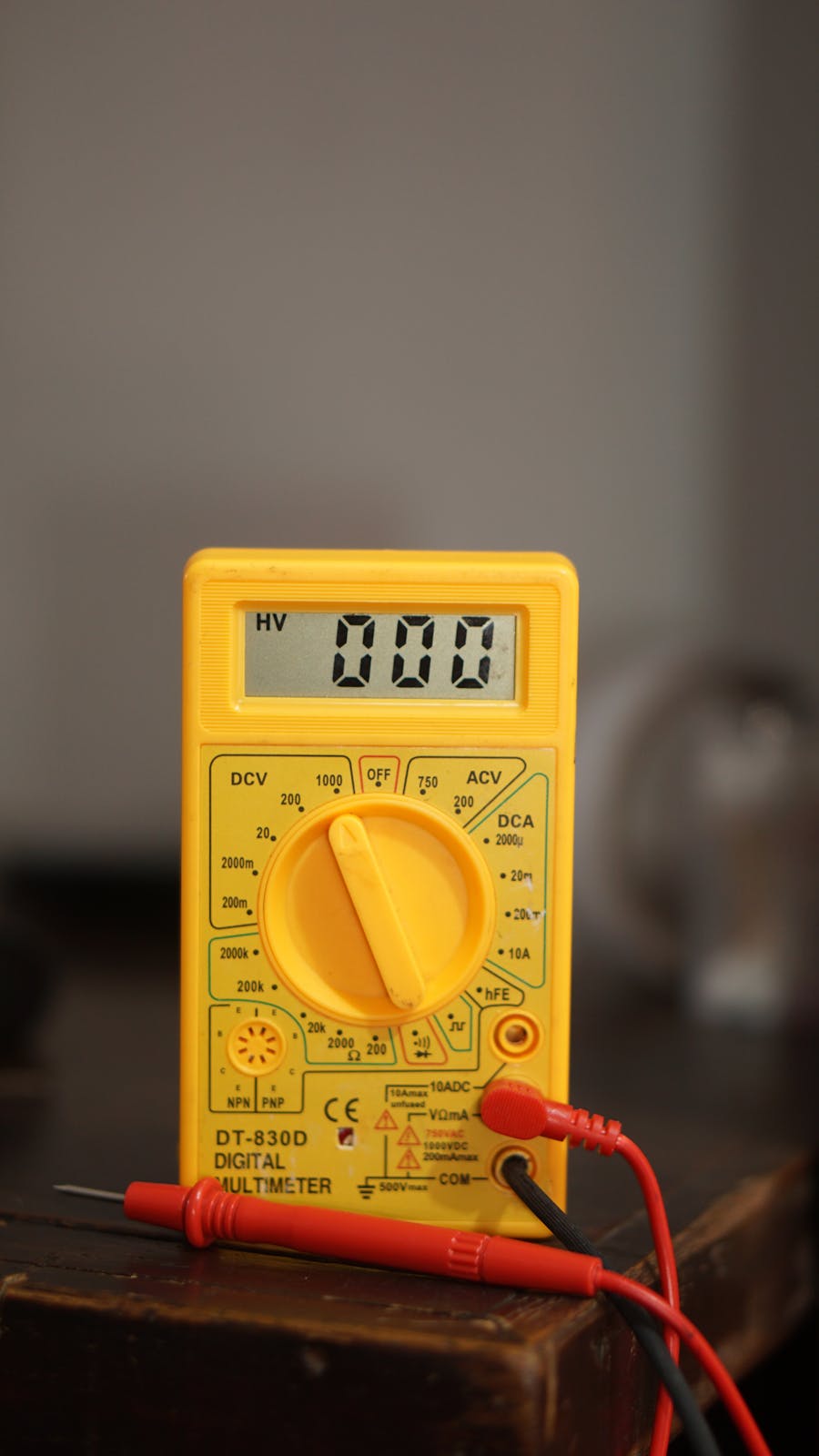
Frequently Asked Questions
What does MAX6816EUS+T do?
It is a single switch debouncer. A mechanical switch bounces on closure, producing a burst of transitions; the MAX6816 cleans this into a single, debounced logic edge for a processor - with no external RC network and no firmware debounce routine.
How rugged are the inputs?
The input tolerates ±25 V (beyond the supply rails) and is ESD-protected to ±15 kV Human Body Model (±8 kV contact / ±15 kV air per IEC 1000-4-2). That lets the switch line run off-board on a long cable without a separate protection network.
Does it need external components?
No. The debounce timing is generated internally, so there is no RC network to size. Just wire the switch from IN to ground (an internal pull-up sets the idle level), take the debounced signal from OUT, and bypass VCC. Supply current is only 6 µA.
What about more than one switch?
The MAX6816 is single-channel. For two switches use the MAX6817 (dual), and for eight the MAX6818 (octal, with three-state outputs that interface directly to a µP data bus). All share the debounce function and ESD ruggedness.
Disclaimer
Information Accuracy: The specifications on this page are based on the official Maxim MAX6816/MAX6817/MAX6818 datasheet. We work to keep the information accurate and complete, but parameters can change with product revisions, so design engineers should verify all values against the latest official documentation before final design.
Product Authenticity Guarantee: All parts we supply are genuine factory originals with full material traceability.
Technical Support: Pre-sales and post-sales technical consultation is available free of charge.
Application Notice: This page is for reference only. Suitability for a specific application should be confirmed by the design engineer against the actual system requirements.
MAX6816EUS+T Specifications
- Specifications
- Attributes
- Property Value
- Manufacturer
- Analog Devices Inc./Maxim Integrated
- Series:
- -
- Package/Case:
- TO-253-4, TO-253AA
- Packaging:
- Tape & Reel (TR)
- Part Status:
- Active
- Programmable:
- Not Verified
- Type:
- Switch Debouncer
- Mounting Style:
- Surface Mount
- Supplier Device Package:
- SOT-143-4
- Grade:
- -
- Qualification:
- -
- Part Applications:
- µP Switch Interfacing
- Category:
- Specialized ICs
MAX6816EUS+T Relevant information
- MAX6816EUS+T Tags
- Popular Search
The following parts are popular search parts in Specialized ICs.
The Posts
-
STM32F407VET6 STMicroelectronics MCU Selection Guide
STM32F407VET6 guide covering Cortex-M4 use, 512KB Flash, LQFP100 pinout checks, alternatives and sourcing notes.
-
STM32F103C8T6 STMicroelectronics MCU Selection Guide
STM32F103C8T6 guide covering Cortex-M3 use, 64KB Flash, LQFP48 pinout checks, alternatives and sourcing notes.
-
STM32F405RGT6 STMicroelectronics MCU Selection Guide
STM32F405RGT6 guide covering Cortex-M4 use, 1MB Flash, LQFP64 pinout checks, alternatives and sourcing notes for engineers.
-1,80mm.jpg)
-
GRM31CR61H106KA12L Murata MLCC: Applications, Selection and Buying Notes
GRM31CR61H106KA12L Murata MLCC guide for 10uF 50V X5R 1206 use, obsolete-status review, alternatives and sourcing checks.
-
GRM31CR61E476ME44L Murata MLCC: Applications, Selection and Buying Notes
GRM31CR61E476ME44L Murata MLCC guide for 47uF 25V X5R 1206 decoupling, alternatives and sourcing confirmation.
-2,70mm.jpg)
-
GRM32ER71H106KA12L Murata MLCC: Applications, Selection and Buying Notes
GRM32ER71H106KA12L Murata MLCC guide covering applications, selection, alternatives and sourcing checks for 10 uF, 50V, X7R, +/-10%, 1210 MLCC.
-0,55mm.jpg)
-
GRT155C81E105KE13D Murata MLCC: Applications, Selection and Buying Notes
GRT155C81E105KE13D Murata MLCC guide covering applications, selection, alternatives and sourcing checks for 1 uF, 25V, X6S, +/-10%, 0402 automotive MLCC.
-
GRM155C81E105KE11D Murata MLCC: Applications, Selection and Buying Notes
GRM155C81E105KE11D Murata MLCC guide covering applications, selection, alternatives and sourcing checks for 1 uF, 25V, X6S, +/-10%, 0402 MLCC.
Related Products

-
DS28E30X+T
Analog Devices Inc./Maxim Integrated
-
TCAN4550RGYTQ1
Texas Instruments
-
DS28EL22Q+T
Analog Devices Inc./Maxim Integrated
-
TLE94613ESXUMA1
Infineon Technologies
-
SE050A2HQ1/Z01SHZ
NXP USA Inc.
-
SE050B2HQ1/Z01SFZ
NXP USA Inc.
-
DS2477Q+T
Analog Devices Inc./Maxim Integrated
-
MAX22505GTG+T
Analog Devices Inc./Maxim Integrated
-
AD8232ACPZ-WP
Analog Devices Inc.
-
AD8232ACPZ-RL
Analog Devices Inc.
-
MAX17263LETD+
Analog Devices Inc./Maxim Integrated
-
LTC4331CUFD#PBF
Analog Devices Inc.


