Free Shipping Over$200

- Products
- Marking
- Alternative

The Components Behind a Device That Connects
A device that connects is built from the same families of parts as any embedded board, then handed a radio and the few parts that let it run with nobody watching it. The radio and the power budget steer much of the selection, and the processor matters less here than bench habits suggest.
Three things separate this bill of materials from a board that sits on a desk. The power source has to last months or years instead of drawing from a wall socket. The link it talks over belongs to someone else and behaves in ways the designer cannot fully predict. Service life runs long enough that a few of its parts reach end of production while the product is still selling. Nearly every choice below traces back to one of those pressures, and the parts that look ordinary on the schematic are often the ones that get the closest attention.
Getting on the network
Connectivity gets decided first, because it fixes the antenna and much of the power budget before the rest of the board exists. A device that has to live on a coin cell for a year cannot use the same radio as one bolted to a wall with mains behind it. Longer range usually costs power, and the bands a region permits narrow the field further.
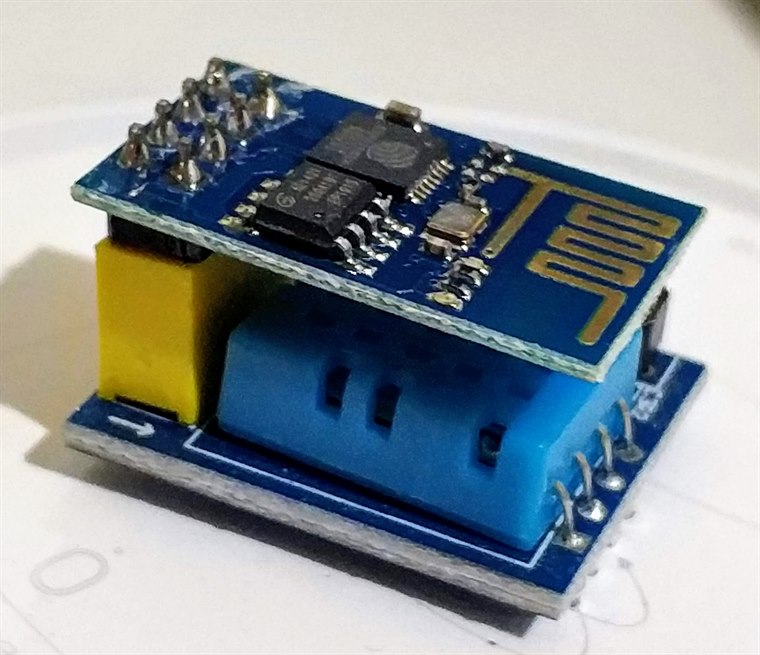
For a battery device sending small, infrequent updates over a short hop, Bluetooth Low Energy is the usual answer, and much of the work is in picking the BLE controller that hits the sleep current and link budget the product needs. The harder call comes when a device wants real bandwidth or direct reach onto an IP network, where a team has to weigh WiFi against a lower power radio and accept what each costs in current draw and stack complexity.
Past a few tens of meters the choices change. A sub-gigahertz link can reach a kilometer or more on little power, which suits meters and sensors scattered across a site. Where there is no gateway to lean on, the device carries its own backhaul, and the work moves to picking a cellular class, from the low rate LTE categories upward, weighed against power draw and how long the operators will keep that air interface alive. Among many nodes indoors, a Zigbee or Thread mesh lets each device reach the others and route around a dead node.
Not every link carries a data session. NFC and RFID move an identity or a small payload with no battery on the tag side at all, which is why they turn up on access cards and asset labels. Position is its own kind of data, and a device that has to report where it sits takes a satellite positioning receiver, with the antenna and the time to first fix budgeted as carefully as the radio.
Whatever the band, the radio only performs if the antenna and front end are matched to it and given clean board space, a step that quietly sinks a surprising number of designs. Many products skip the separate radio and fold the link and the application into one wireless MCU, trading some flexibility for a smaller and cheaper board. Where the device is itself a hub for others, mains powered and stationary, it often takes a wired uplink into the building network to carry the traffic the radios collect.
Power that has to last
The power budget on a connected device is set largely by two numbers that have little to do with the processor: how much current the board draws while it sleeps, and how often the radio wakes to talk. A design that spends almost all of its life asleep stands or falls on the sleep figure, measured in microamps, long before its awake performance enters the picture.
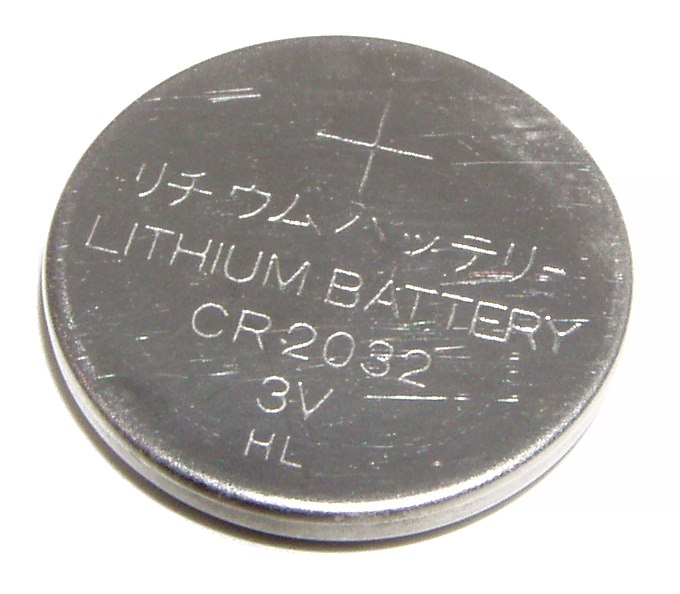
Work the arithmetic and the reason the sleep number dominates becomes clear. Take a sensor that wakes once a minute, spends perhaps two hundred milliseconds awake to read a channel and send a short packet at around ten milliamps, and sleeps the rest at a few microamps. The awake energy across a day is real but modest; the sleep current, flowing every second of every hour, is what empties a coin cell holding only a couple of hundred milliamp hours. Cut the sleep current from ten microamps to one and the projected life can move from under a year to several, with the radio and the firmware untouched. That sensitivity is why the power management around the part gets scrutinized so hard: the quiescent current of the regulator, the leakage of whatever holds a rail up between wakes, the load switches that cut power to sections not in use. A regulator efficient at a hundred milliamps can still wreck a budget the radio fit inside if it idles at twenty microamps. Battery chemistry sets the ceiling, and a field device often cannot count on anyone arriving to swap a cell, so the design either sizes the battery for the whole service life or finds a way to top it up. That is where choosing the cell and harvesting some energy enters, whether from a small solar panel or the vibration of a machine the device rides on. Harvested power is rarely steady and rarely large, so it usually charges a buffer the device draws from, and the harvesting front end has to start working at input levels low enough that a cloudy day still yields something. Temperature pulls on the cell too: a lithium coin cell gives up capacity and raises its internal resistance in the cold, so a device rated to run at minus twenty has less real margin there, and a transmit pulse can sag the rail enough to brown out once the cell has aged. Self discharge takes its own small percentage a year before the load draws anything, which on a ten year design is no rounding error. People who have shipped a few of these keep a spreadsheet that totals the steady drains, sleep current and regulator overhead chief among them, then derate it for temperature and age before trusting the life number on the box.
When the device is awake, or runs on harvested or mains power, the question shifts to converting that power cleanly into the rails the radio and sensors want. A switching regulator quiet enough not to spray noise into a sensitive front end matters here, as does bringing the rails up in the order the silicon expects. The radio is usually the worst offender for current spikes, so the rail feeding it gets the closest attention.
Surviving the place it sits
A connected device usually ends up somewhere a desk board never goes, a factory wall or an outdoor cabinet, sometimes a moving vehicle. The parts that face the outside world get chosen for survival as much as for function, and this is the part of the bill of materials that generates warranty returns when it is underspecified.
On a factory floor the interfaces carry their own hazards, with ground potentials that differ between machines and transients that ride in on every long cable. Building those interfaces with isolation keeps a fault on one side from walking into the processor on the other, and designing it in early avoids a class of field failure that is hard to chase down later.
Outdoors the threats are blunter. A nearby lightning strike couples a surge onto power and signal lines, and a person touching a connector on a dry day can deliver a static discharge of several kilovolts, so the board needs protection against surge and ESD at every port that meets the outside. The connectors are part of the seal, and an outdoor node depends on connectors and electromechanical parts rated for the moisture and vibration it will see in service.
A clock that drifts in the cold can miss a scheduled wake-up, so the timing parts are picked for stability over temperature.
Trust, approvals, and staying available
A connected product also has to clear a few hurdles that have little to do with whether the circuit works. A device on a public network is a target, so giving it a hardware root of trust, a place to hold keys and check its own firmware, has become a baseline that buyers now ask about. Before it goes abroad the radio has to pass the regional rules, and getting through wireless approvals often runs longer than anyone plans for, so it belongs on the schedule from the start. Because these products sell for years, planning the supply of a long life design means watching which parts the makers will still build in five or eight years, and lining up a second source before the first one sends an end of life notice.
Filling out the bill of materials
Underneath the connectivity and power story is an ordinary digital board, and much of it comes from the catalog. The processor that runs the application is often a plain part, and a design fills out its compute with general purpose MCUs chosen for the peripheral mix and the price. Around it, the buses that reach off board want their drivers: a device that puts a CAN or RS-485 link on a long cable needs bus transceivers and the isolation that goes with them, and the glue that shifts levels or buffers a line comes from the everyday logic and driver parts that almost every schematic uses.
The analog parts are fewer in number and fussier to choose. A sensor signal usually needs conditioning before it is clean enough to digitize, which pulls in op amps and precision references selected for low offset and drift. Every rail on the board traces back to a regulator, so the parts list carries a spread of LDO and DC-DC parts, one kind for the quiet analog supply and another for the efficient bulk conversion. A device that runs off a rechargeable cell adds the charging control and the cell itself, matched so the charge profile suits the chemistry.
Protection shows up again at the parts level. The interfaces and the power input each want their own protection devices, the TVS diodes and fuses that take a hit so the silicon does not. On the radio side, the discrete RF front end and antenna parts fill in around the transceiver, and a product with a cellular or wired uplink carries the modules and networking parts that physical layer needs.
The electromechanical and discrete parts are easy to overlook and slow to source. Wire to board and board to board links come from a deep range of connector parts spread across vendors, where a single series can carry hundreds of variants. The exact orderable number, down to the plating and the packaging, is what has to be locked, and these mechanical parts often sit on long lead times even when the silicon is in stock. A device with a physical control or a switched load wants switches and relays, and the switching of a motor or a power rail leans on MOSFETs picked for their on resistance and gate charge. Filling in behind them are the transistors and rectifier diodes that handle small signal switching and turn AC into DC.
What is left rounds out the board. The timing and power building blocks, the clock sources and power modules, drop in where a discrete design takes too much board area to justify. The magnetics and the rest of the passives, the inductors and the parts that filter and store charge, are cheap on their own and decisive in how a supply behaves. Whatever does not fall cleanly into one of these buckets still has to be bought and tracked, which is why the catalog keeps a place for the parts that resist tidy classification.